
South Korea offers various types of visas, each designed to cater to specific purposes of stay.
D-2 Visa
The D-2 visa is for international students who plan to pursue full-time academic programs in South Korea. D-2 visa is typically issued for the duration of the academic program you are enrolled in. If you’re pursuing a bachelor’s degree, master’s degree, or a Ph.D., the visa will be valid for the length of your study program.
Requirements for D2 visa
- 8 above GPA
- 5 IELTS overall
- Gap accepted with proof
The documentation process for obtaining a D-2 visa (study visa) for South Korea involves gathering and submitting various documents to the South Korean Embassy.
- Admission to a Recognized Educational Institution: Apply and gain admission to a recognized educational institution in South Korea, such as a university or graduate school. Ensure that the program you choose is eligible for a D-2 visa.
- Receive a Certificate of Admission: Once accepted, the educational institution will provide you with a Certificate of Admission. This document is crucial for your visa application.
- Complete Visa Application Form: Obtain and complete the D-2 visa application You can usually find this form on the official website of the South Korean Embassy or Consulate in your home country.
- Passport: Ensure your passport is valid for at least six months beyond your intended duration of stay in South Korea.
- Passport-Sized Photos: Submit passport-sized photos that meet the specifications outlined by the embassy or consulate.
- Financial Documentation: Demonstrate your financial ability to cover tuition fees and living expenses. This may include providing:
- Bank statements.
- Scholarship letters
- Financial guarantees.
- Health Examination Certificate: Provide a health examination certificate, including a tuberculosis (TB) test. Some embassies may have specific medical test requirements, so check with the embassy or consulate for details.
- Study Plan or Statement of Purpose: Write a study plan or statement of purpose outlining your academic and career goals, as well as the reasons for choosing South Korea for your studies.
- Language Proficiency Proof (if applicable): Depending on the language of instruction at your chosen institution, provide proof of language proficiency in Korean or English.
- Visa Fee: Pay the required visa application fee. The fee amount can vary based on your nationality and the specific policies of the embassy or consulate.
- Visa Interview (if required): Some embassies or consulates may require a visa interview. Be prepared to discuss your study plans and reasons for choosing South Korea.
- Additional Documents: Check the specific requirements of the South Korean Embassy or Consulate in your country for any additional documents they may request
- Submit the Application: Compile all the required documents and submit your visa application to the South Korean Embassy or Consulate in your home country. Some embassies allow online submissions, so check their guidelines.
- Wait for Visa Processing: After submitting your application, wait for the visa processing to be completed. Processing times can vary, so apply well in advance of your intended travel date.
- Receive Visa Approval: Once your visa is approved, the embassy or consulate will affix the visa sticker to your passport. You may need to pick up the passport in person or through a designated courier service.
- Travel to South Korea: After receiving the visa, you can travel to South Korea within the validity period specified on the visa.
- Alien Registration: In short, “Alien Registration” typically refers to the legal requirement for non-citizens, often called aliens, to register with a government authority. This process helps track individuals who are not citizens or nationals but reside in a country. The specific procedures vary by country. In the United States, the Alien Registration Act of 1940 mandated registration during wartime, but today, immigration matters are primarily governed by the Immigration and Nationality Act. The term “alien” has legal implications in immigration but is being replaced with terms like “non-citizen” or “foreign national” to use more inclusive language. Within 90 days of arrival, apply for alien registration at the local immigration office in South Korea.
D-4 Visa (Language Training)
D-4 visa requirements
- 2.8 above gap
- No IELTS
- Gap accepted with proof
Eligibility Criteria:
To be eligible for a D-4 visa, you typically need to meet the following criteria:
- Admission to a Korean Language Program:
- You must be accepted into a recognized Korean language institute or university offering language training programs.
- Documentary Requirements:
- Provide the necessary documents, including the Certificate of Admission from the language institute or university, proof of financial ability, health examination certificate, and any additional documents required by the South Korean Embassy or Consulate.
Application Process:
The application process for a D-4 visa involves the following steps:
- Obtain Admission to a Language Program:
- Apply and gain admission to a language program in South Korea.
- Prepare Required Documents:
- Collect all necessary documents, including the Certificate of Admission, proof of financial ability, health examination certificate, and others as specified by the embassy or consulate.
- Submit Visa Application:
- Complete the D-4 visa application form and submit it, along with the required documents, to the South Korean Embassy or Consulate in your home country.
- Visa Interview (if required):
- Some embassies or consulates may require a visa interview. Attend the interview if it is part of the application process.
- Visa Processing:
- Wait for the visa processing to be completed. Processing times can vary, so apply well in advance of your intended travel date.
- Visa Approval:
- Once the visa is approved, the embassy or consulate will affix the visa sticker to your passport. You may need to pick up the passport in person or through a designated courier service.
- Travel to South Korea:
- After receiving the visa, you can travel to South Korea within the validity period specified on the visa.
Duration of Stay:
The D-4 visa is typically granted for the duration of your language training program. If you plan to continue your studies or transition to another visa category, you may need to follow the appropriate procedures.
Alien Registration:
Within 90 days of arrival in South Korea, you should apply for Alien Registration at the local immigration office. This card serves as your identification during your stay.
Always refer to the specific requirements and procedures outlined by the South Korean Embassy or Consulate in your country for the most accurate and up-to-date information on the D-4 visa application process.
Here are some of the top universities in South Korea:
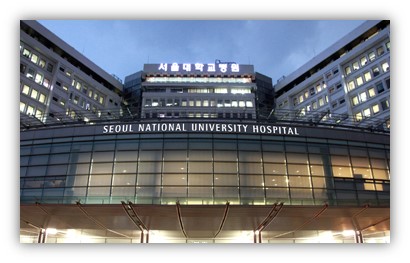
1. Seoul National University (SNU):
Located in Seoul, SNU is considered one of the most prestigious universities in South Korea. It has a strong reputation for academic and research excellence across various disciplines.
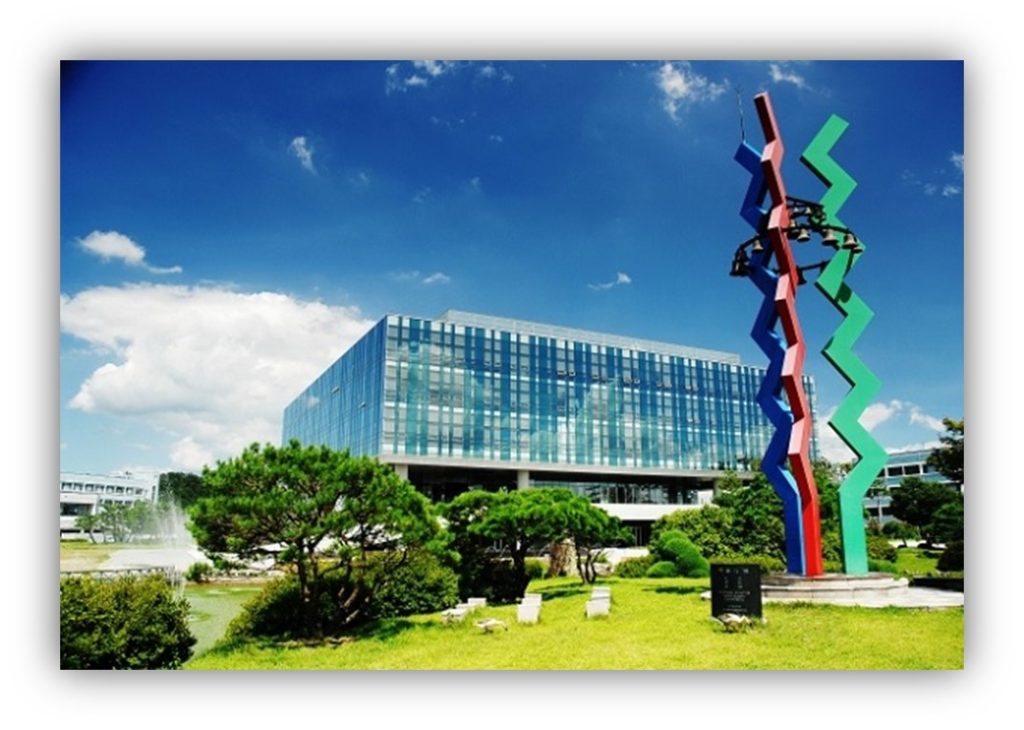
2. Korea Advanced Institute of Science and Technology (KAIST):
Specializing in science, engineering, and technology, KAIST is a leading research institution with a global presence. It is located in Daejeon.
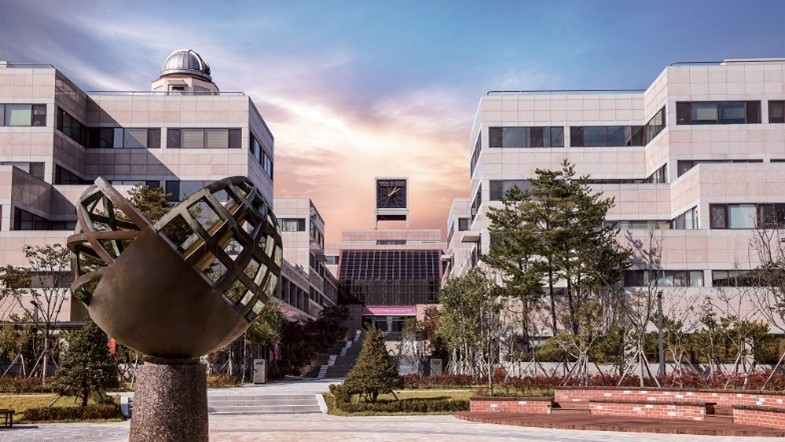
3. POSTECH (Pohang University of Science and Technology):
POSTECH is known for its emphasis on science and engineering research. It is located in Pohang and is often ranked among the top universities in Asia.
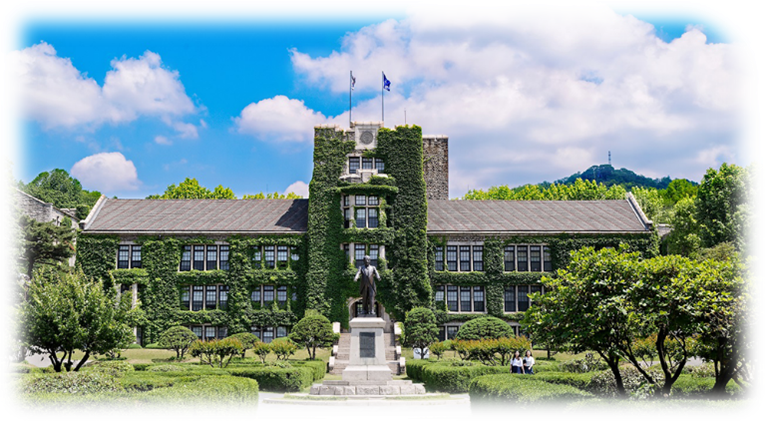
4. Yonsei University:
Yonsei is one of South Korea’s oldest and most prestigious universities. It is located in Seoul and is known for its strong programs in a variety of fields.
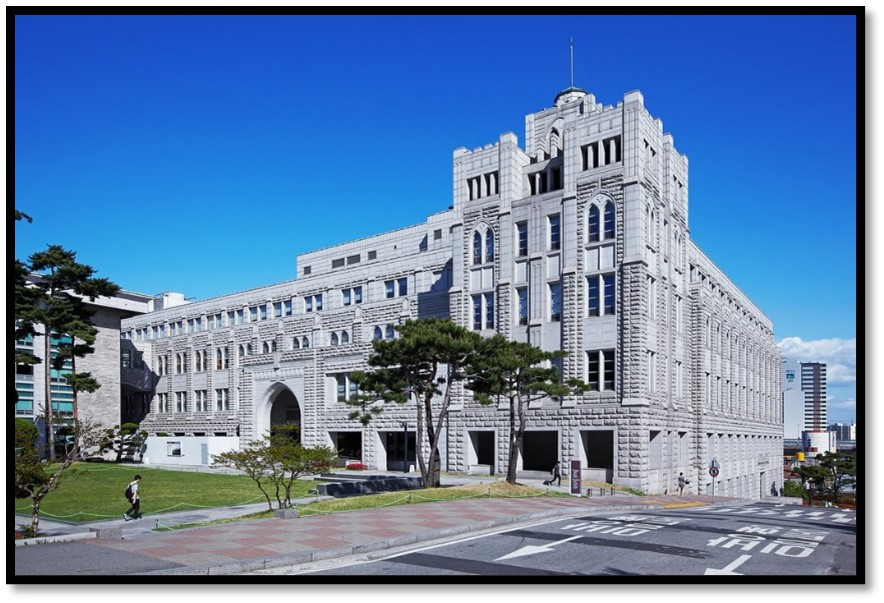
5. Korea University:
Also based in Seoul, Korea University is renowned for its comprehensive programs in various disciplines, including business, humanities, and social sciences.
6. Pusan National University (PNU):
PNU is located in Busan and is known for its focus on engineering, science, and technology. It is considered one of the top universities in South Korea.
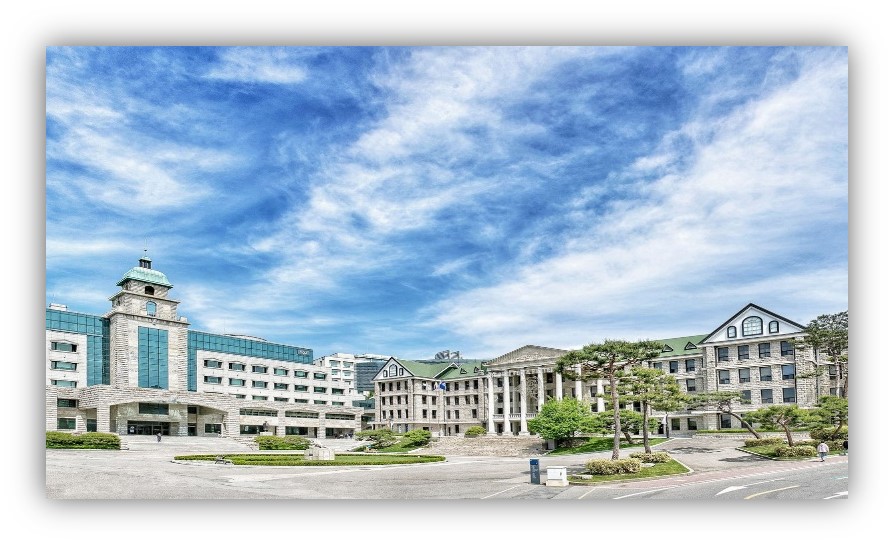
7. Hanyang University:
With campuses in Seoul and Ansan, Hanyang University is known for its engineering and technology programs, as well as its contributions to research and development.
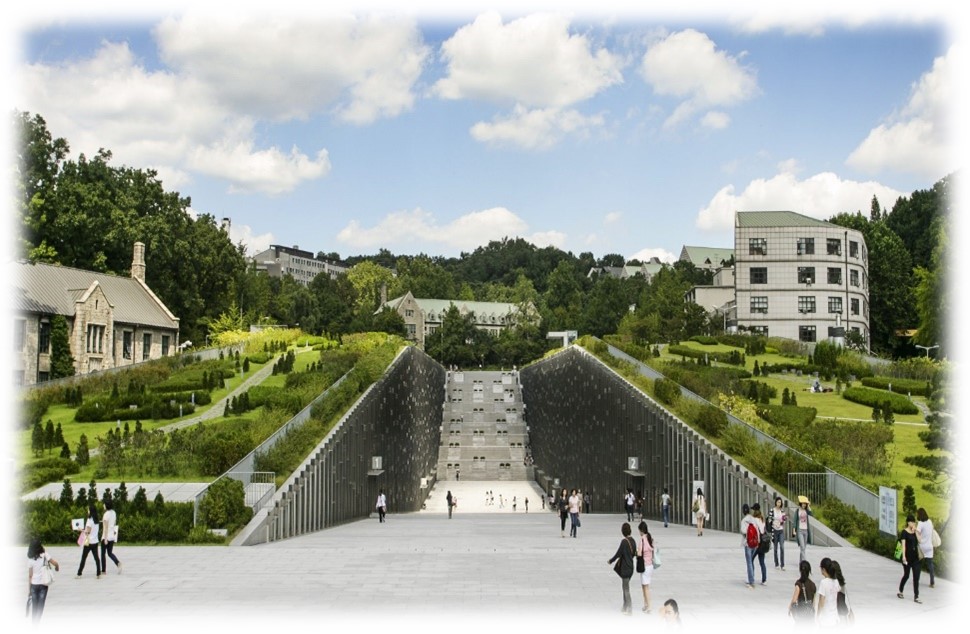
8. Ewha Womans University:
• Ewha, located in Seoul, is one of the top women’s universities in the world. It offers a wide range of programs in various fields, including humanities, social sciences, and natural sciences.
9. Sungkyunkwan University (SKKU):
SKKU is one of the oldest universities in South Korea, with a rich history dating back to the Joseon Dynasty. It has campuses in Seoul and Suwon.

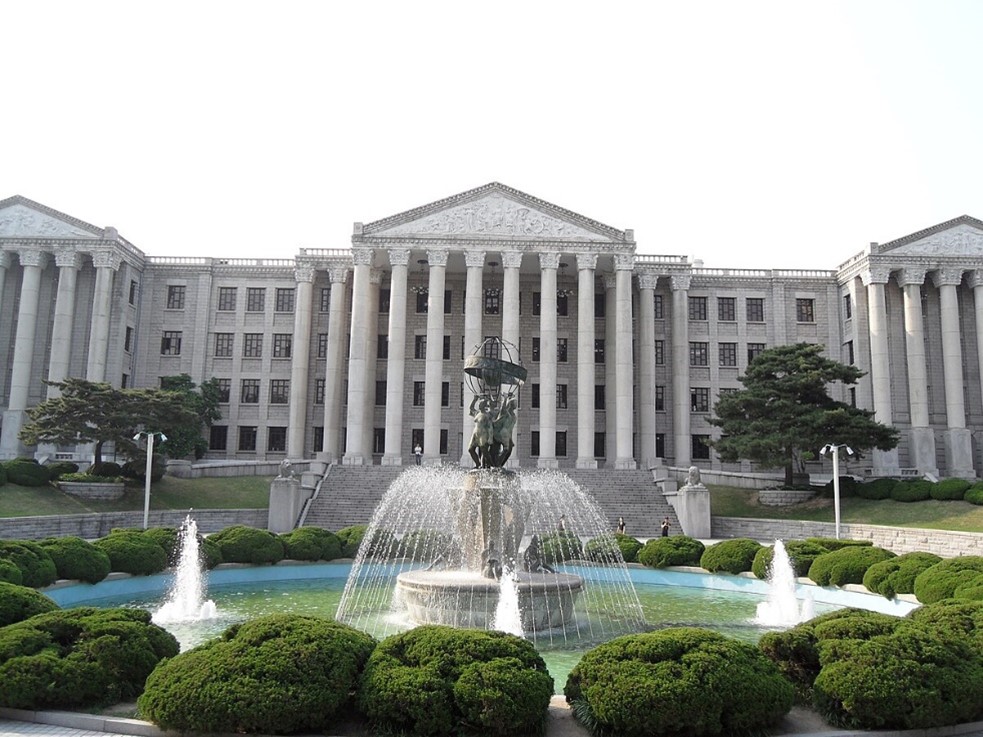
10. Kyung Hee University:
Known for its comprehensive programs, Kyung Hee University is located in Seoul and has gained recognition for its contributions to education and research.
South Korea offers a diverse range of academic programs and courses across various disciplines. The popularity of courses can vary based on the demand in the job market, societal trends, and the strengths of individual universities.